Beginner Workouts Anyone Can Start
Safe and Accessible
Step-by-step movements build comfort and confidence.
Fits Your Schedule
Short routines slide into even the busiest day.
Builds Lasting Habits
Consistency is easier with routines you enjoy.
Clear Examples, Real Results
Bodyweight Basics
Start with five to ten minutes of gentle movement. Think: joint circles, shoulder rolls, and slow squats. Gradually add basic push-ups or wall sits as you feel comfortable. Focus on control, not speed, and take breaks as needed.
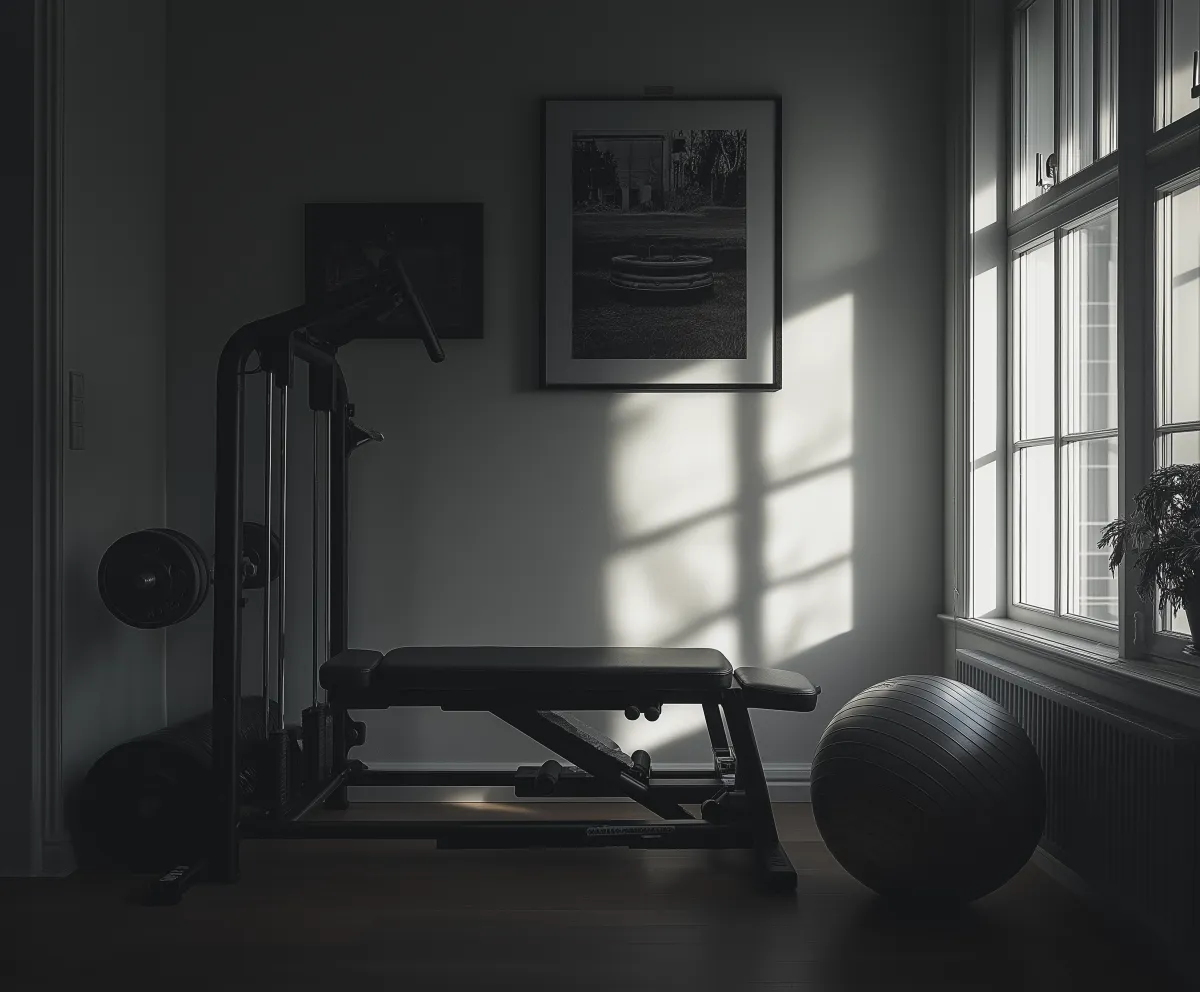
Simple Circuits
Combine three to five bodyweight moves—like squats, hip bridges, planks, and lunges—into a mini-circuit. Repeat each for thirty seconds, rest a minute, then cycle through twice. Adjust reps and pace for your own ability and energy.
Mobility Flow
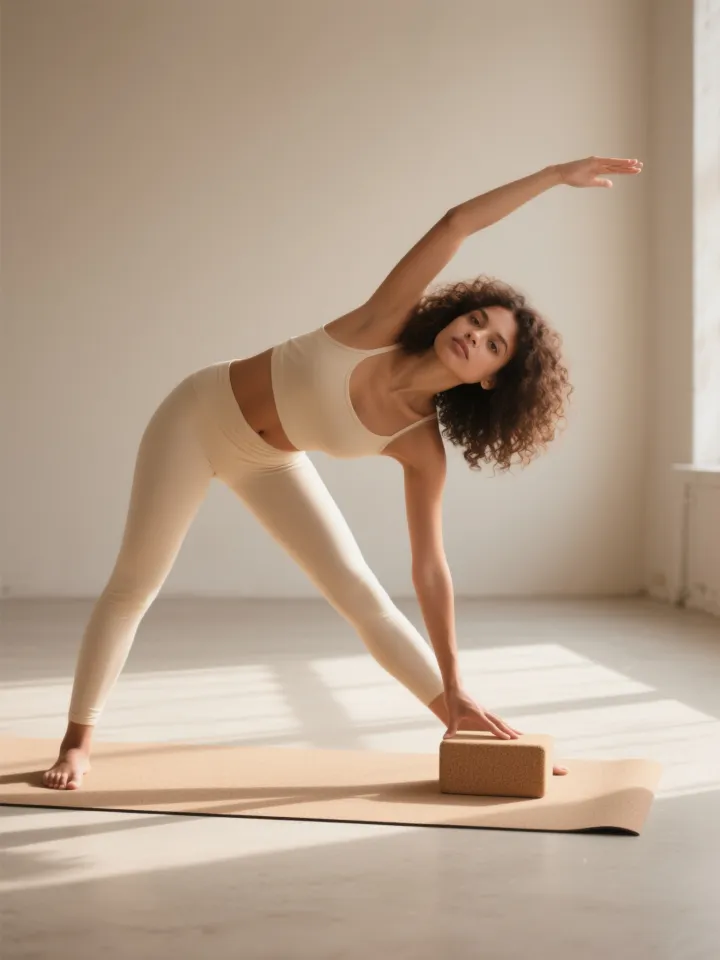
Spend five minutes flowing through stretches, such as cat-cow, downward dog, and side lunges. This can stand alone or be paired with your regular workout as a warm-up or cooldown. It supports joint health and flexibility.
Tracking Your Progress
Print out a basic routine or checklist. Tick off each session to stay motivated, and jot down notes on how you felt. This small step keeps you accountable, reinforces effort, and helps you tweak routines for future success.
See How Each Movement Works
Each routine is broken down so you always know what’s next—no surprises or confusion.
Squats and Lunges
Push-ups and Presses
Mobility and Stretching
Simple Core Drills
Train core function with simple moves—planks, bird-dog, and glute bridges. Each exercise is described so new users learn why it matters, how to scale intensity, and how to avoid strain or error.
How To Build A Routine
Follow these steps to create a session that’s safe, repeatable, and adjustable.
Warm Up
5 Minutes Gentle Prep
Begin every session with arm circles, hip rolls, and light marching in place. This boosts circulation and makes your main workout safer and more comfortable.
Comfortable shoes, clear space, and relaxed focus help you get started safely.
Joints feel looser and energy increases.
Main Workout
10–20 Minutes Movement
Alternate basic squats, push-ups, lunges, and planks. Complete two or three sets based on your comfort level, resting briefly as needed. Keep form as your top priority every time.
Soft surface like a mat or carpet plus water for hydration recommended.
Muscles feel worked, you break a light sweat.
Mobility Flow
5 Minutes Stretching
Use movements like downward dog, child’s pose, or gentle spinal twists to restore range of motion. Focus on controlled breathing and easy transitions between positions.
Mat or towel is helpful. Wear clothes that allow free movement.
You feel more flexible and relaxed post-session.
Cool Down
3–5 Minutes Recovery
Finish each workout with slow walking, deep breaths, and gentle full-body stretches. This lowers your heart rate naturally, aiding recovery and daily readiness.
Quiet space without distractions best supports mindful cooling down.
You finish calm, focused, and ready for your next activity.